Technical Workshop on Additional Protocol Implementation for Sri Lanka Successfully Concluded.
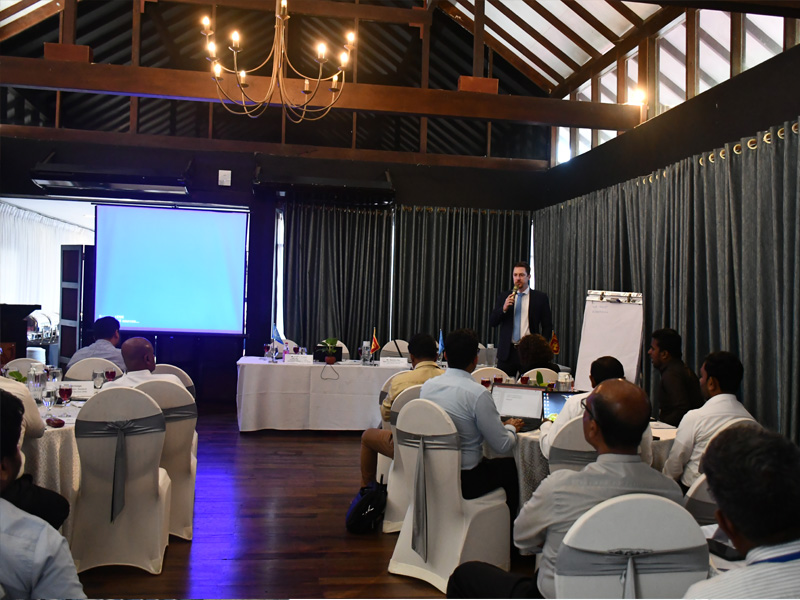
The United States Department of Energy (USDOE) / National Nuclear Security Administration (NNSA) under the International Nuclear Safeguards Engagement Program (INSEP), in collaboration with the Sri Lanka Atomic Energy Regulatory Council (SLAERC), successfully conducted a Technical Workshop on Additional Protocol Implementation for Sri Lanka from 01 to 04 June 2026 at the Hotel Courtyard by Marriott Colombo.
The workshop brought together representatives from a broad range of national stakeholder institutions involved in nuclear safeguards implementation and regulatory oversight. Participants attended from the SLAERC, Sri Lanka Atomic Energy Board (SLAEB), Sri Lanka Customs, Department of Imports and Exports Control, Legal Draftsman's Department, Ministry of Defence, Ministry of Science and Technology, Ministry of Foreign Affairs, Sri Lanka Police, and Sri Lanka Ports Authority.
Sri Lanka is a State Party to the Treaty on the Non-Proliferation of nuclear weapons (NPT) and has concluded a Comprehensive Safeguards Agreement (CSA) with the International Atomic Energy Agency (IAEA). The Additional Protocol (AP) is an important instrument that strengthens the effectiveness and efficiency of the IAEA safeguards system by providing the Agency with broader information and access to verify that nuclear and related activities within a State are used exclusively for peaceful purposes.
The four-day workshop was organized as part of ongoing efforts to enhance Sri Lanka’s preparedness for the future implementation of the Additional Protocol. The programme was facilitated by a team of international safeguards experts from the USDOE/NNSA and focused on strengthening national understanding of safeguards obligations, reporting requirements, and institutional responsibilities.
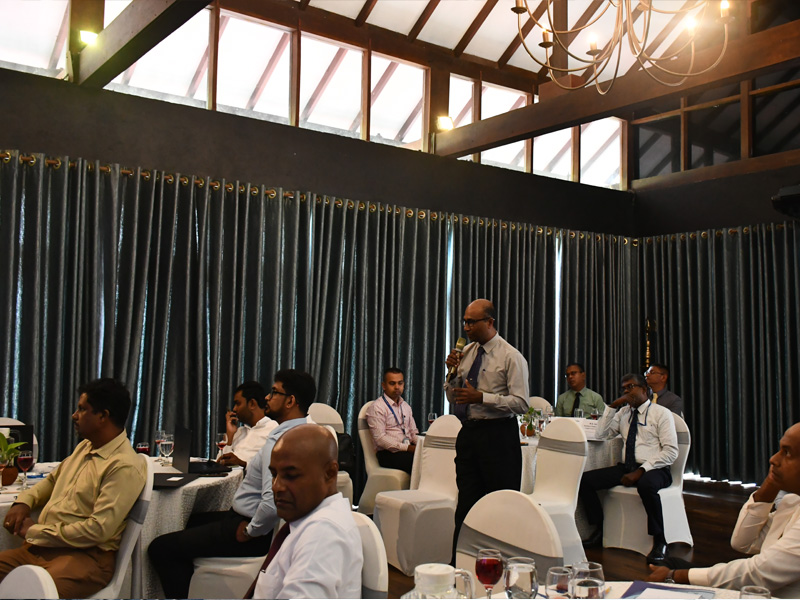
The workshop featured technical presentations, interactive discussions, group exercises, and practical sessions covering safeguards obligations, reporting requirements, outreach strategies, and regulatory development. Participants were provided with opportunities to discuss national implementation challenges, identify stakeholder responsibilities, and explore mechanisms for effective inter-agency coordination.
A key outcome of the workshop was the initiation of discussions on a coordinated national approach for strengthening Sri Lanka’s safeguards infrastructure and enhancing preparedness for the implementation of the Additional Protocol. The workshop further promoted collaboration among stakeholder institutions whose roles are essential for fulfilling Sri Lanka’s international safeguards obligations.
SLAERC expresses its sincere appreciation to the USDOE/NNSA and the INSEP programme for their continued support and technical assistance in strengthening Sri Lanka’s nuclear safeguards capacity. The successful completion of this workshop marks another significant milestone in Sri Lanka’s commitment to strengthening its national safeguards framework and supporting the peaceful use of nuclear science and technology in accordance with international obligations under the NPT and the IAEA safeguards system.
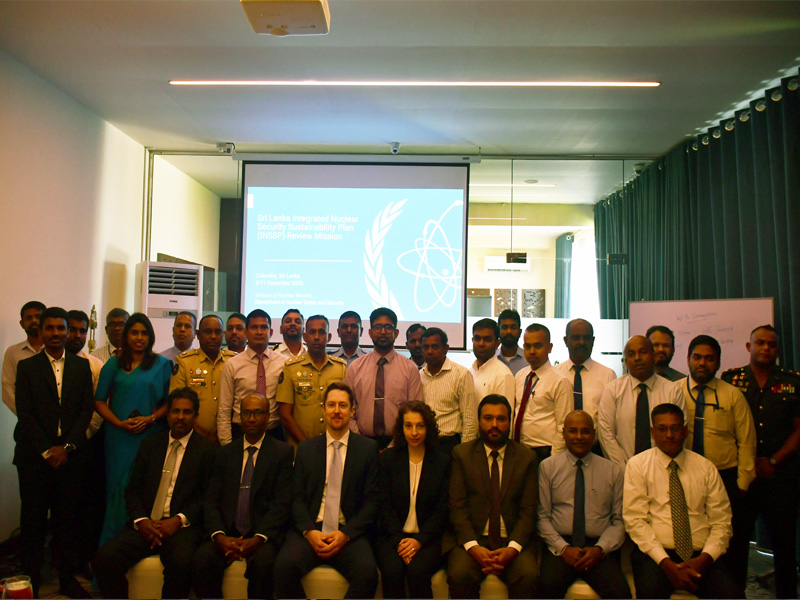
IAEA Mission to review the Integrated Nuclear Security Sustainability Plan (INSSP) of Sri Lanka for 2026-2029, 08th-11th December 2025 at Waters Edge, Batthramulla hosted by Sri Lanka Atomic Energy Regulatory Council in collaboration with International Atomic Energy Agency (IAEA)
Background
Sri Lanka’s use of radiation technology continues to expand across medical, industrial, research & educational purposes. These include diagnosis of diseases, medical treatment, gamma irradiation, nuclear gauging, and industrial radiography. These applications support public health services, industrial development, and national infrastructure.There are a number of category 1-3 sources in use in Sri Lanka These uses of sources, while beneficial, require a strong and sustainable national nuclear security regime to prevent the theft, loss, or misuse of radioactive sources and to safeguard against potential security threats. The use of radioactive and nuclear materials is governed by the Sri Lanka Atomic Energy Act No. 40 of 2014, which assigned SLAERC the responsibility to ensure safety and security of radioactive sources. In addition, Gazette No. 2339/10, introducing national security regulations (Security Regulations), provides requirements for the security of radioactive sources and related facilities, focusing on preventing unauthorized access, theft, or misuse. Together, these form the national legal basis for radiation safety and nuclear security in Sri Lanka, in line with IAEA standards. Currently, 11 facilities in Sri Lanka use high-activity radioactive sources classified as Category I. Because of their potential risks, these sources must be handled with special care with applying level A security as per the Security Regulation. These arrangements ensured that radioactive sources are used safely (radiation safety) and securely (nuclear security) is therefore a national priority. The IAEA supports its Member States in nuclear security through internationally recognized frameworks.
Two key frameworks relevant to Sri Lanka are
The IAEA Integrated Nuclear Security Sustainability Plan (INSSP) – a cooperative framework developed between the International Atomic Energy Agency (IAEA) and Member States to assess, strengthen, and sustain national nuclear security capacities.
The Convention on the Physical Protection of Nuclear Material (CPPNM) and the 2005 Amendment (CPPNM/A) – the only internationally legally binding instrument focused on the physical protection of nuclear material and nuclear facilities, outlining obligations to prevent, detect, and respond to nuclear security threats.
Together, these instruments help Member States build comprehensive, sustainable, and internationally compliant nuclear security regimes.
Nuclear Security regime in Sri Lanka
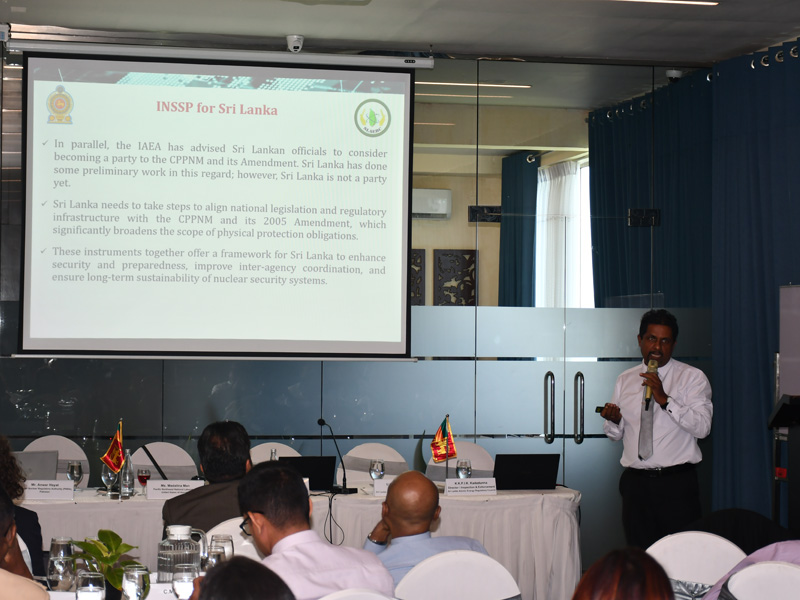
As part of Sri Lanka’s cooperation with the IAEA, the country has adopted the Integrated Nuclear Security Sustainability Plan (INSSP), in 2014 which outlines priority areas for strengthening national nuclear security capabilities. Sri Lanka originally used 12 high activity category 1 sources and established Physical protection System (PPS) in 2010 under the funding of United States Department of Energy Global Material Security Programme (USDOE, GMS). Under this programme progress was made in accordance with nuclear security regime in Sri Lanka. Under the INSSP, the IAEA has helped to establish detection systems in border points, provided opportunities to Sri Lankan regulators and other stakeholders to train in the international domain – conducting national trainings on design basis threat, physical protection etc. – and provided expert support in reviewing national security documents. In parallel, the IAEA has advised Sri Lankan officials to consider becoming a party to the CPPNM and its Amendment. Sri Lanka has done some preliminary work in this regard; however, Sri Lanka is not a party yet. Sri Lanka needs to take steps to align national legislation and regulatory infrastructure with the CPPNM and its 2005 Amendment, which significantly broadens the scope of physical protection obligations.
INSSP Review Meeting 2025
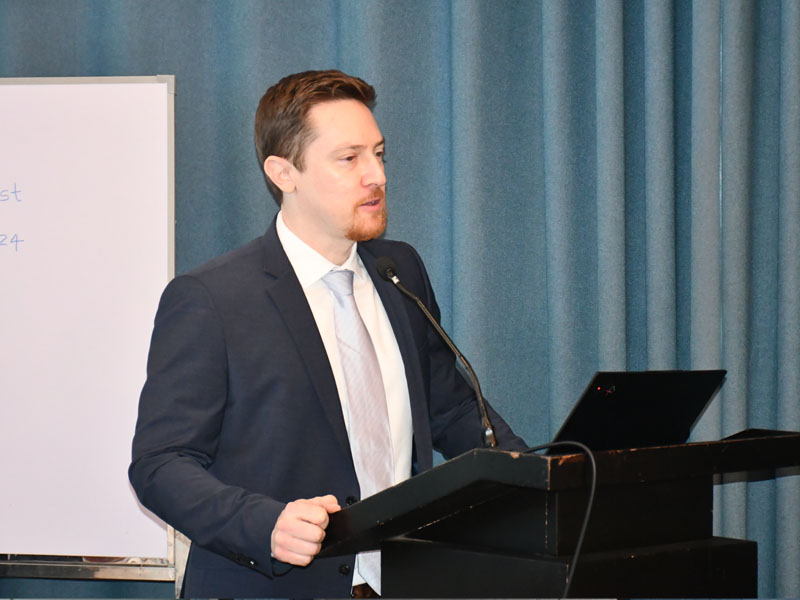
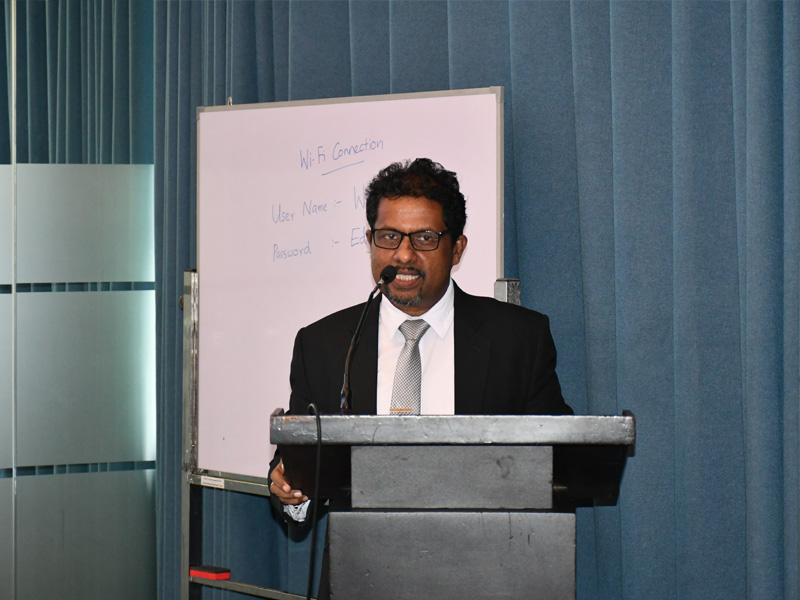
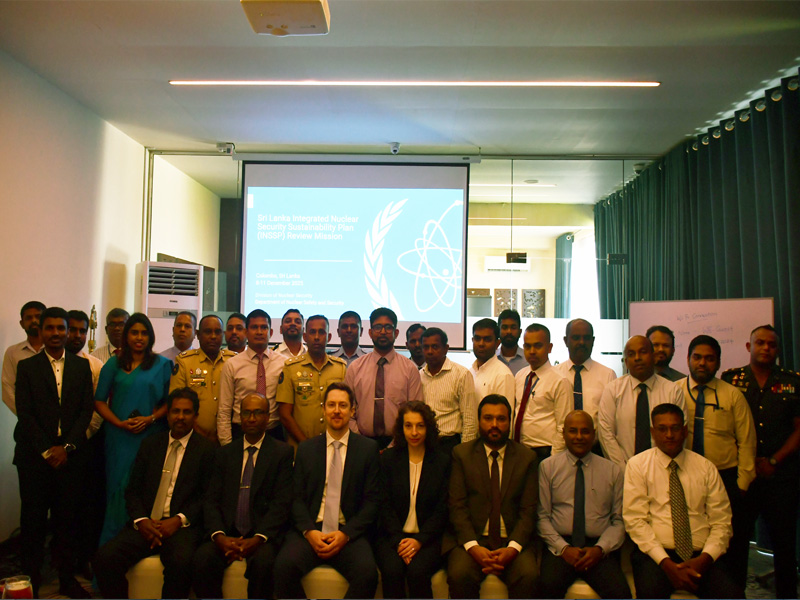
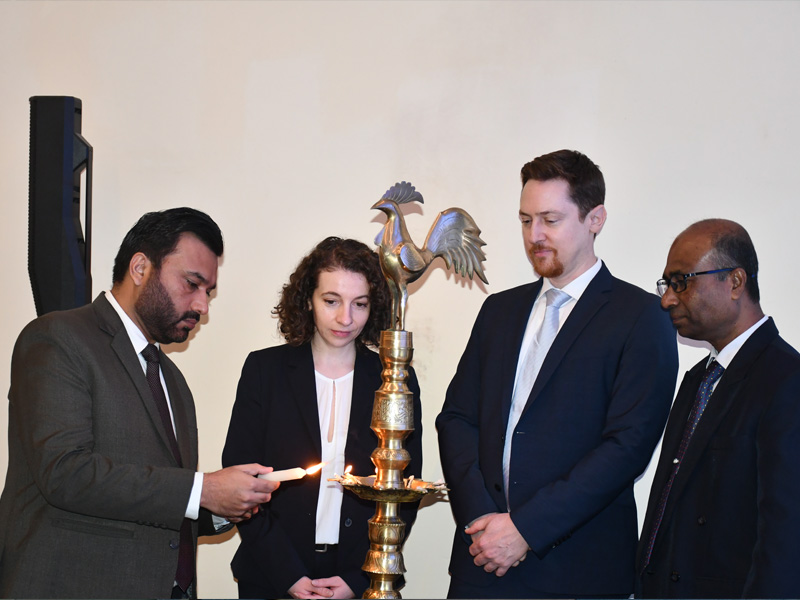
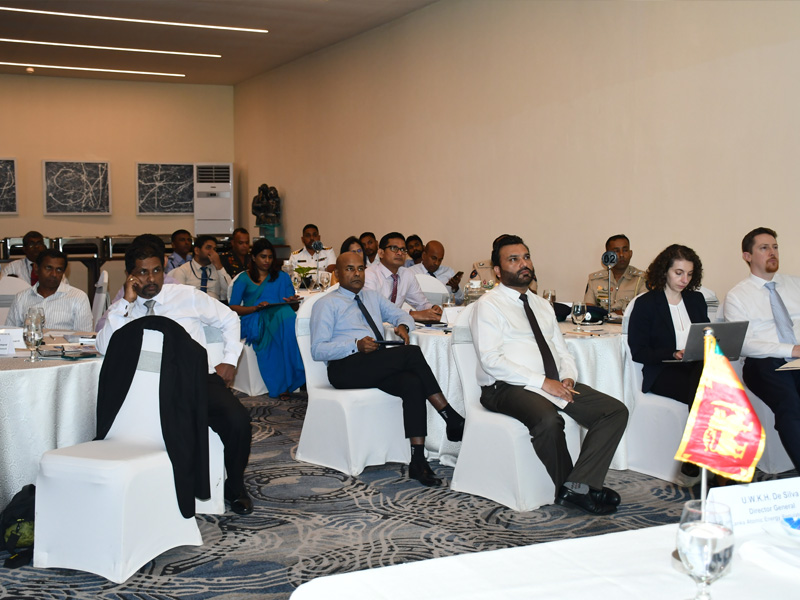
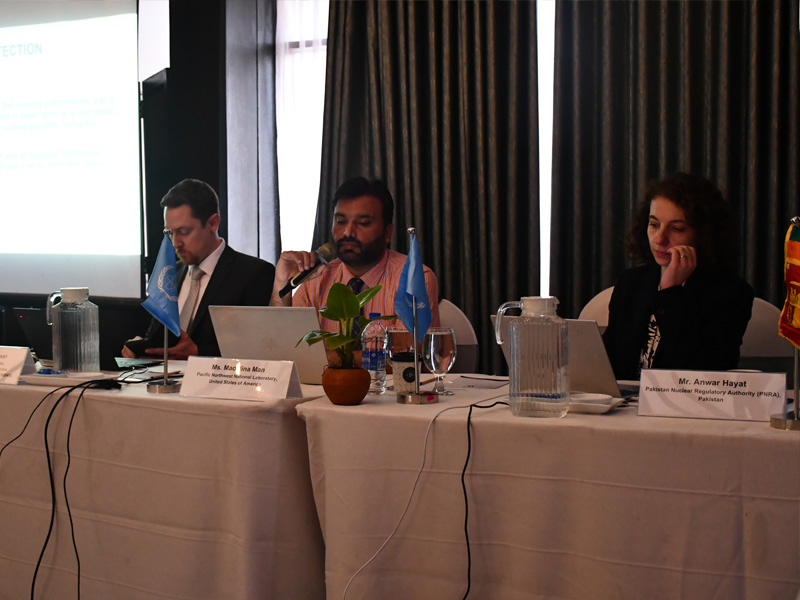
Sri Lanka is participating in the International Atomic Energy Agency (IAEA) INSSP, originally developed in 2013-14 in collaboration with the IAEA. As part of the ongoing efforts to strengthen the national nuclear security regime, the national INSSP review meeting was held from 8 to 11 December 2025 at the Water’s Edge Hotel, Battaramulla, with 35 representatives from relevant national and international stakeholders to review and update the existing INSSP to reflect current national priorities and security requirements. On the final day, a short workshop was held on the Convention on Physical Protection of Nuclear Material (CPPNM) and its Amendment.
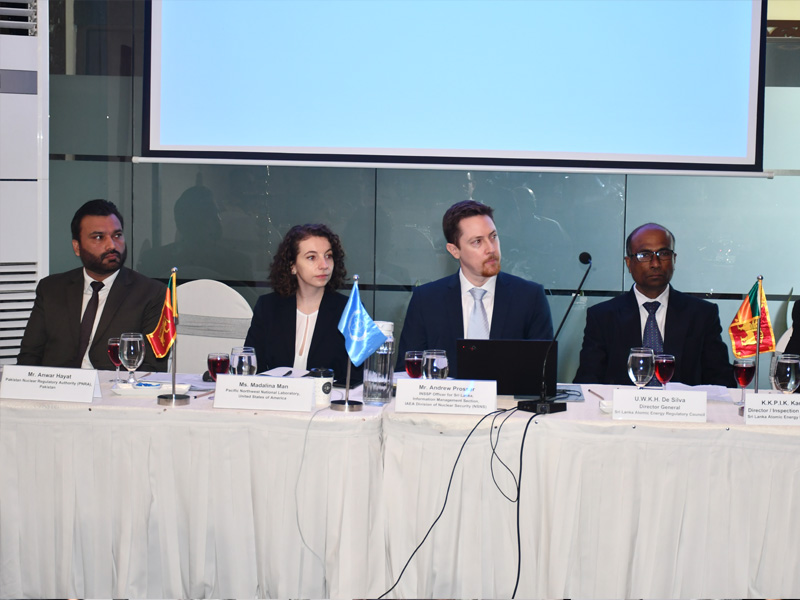
International experts participating included:
Mr. Andrew Prosser, IAEA INSSP Officer
Mr. Anwar Hayat, Pakistan Nuclear Regulatory Authority
Ms. Mandalina Mann, United States Department of Energy (US DOE)
National coordination was led by:
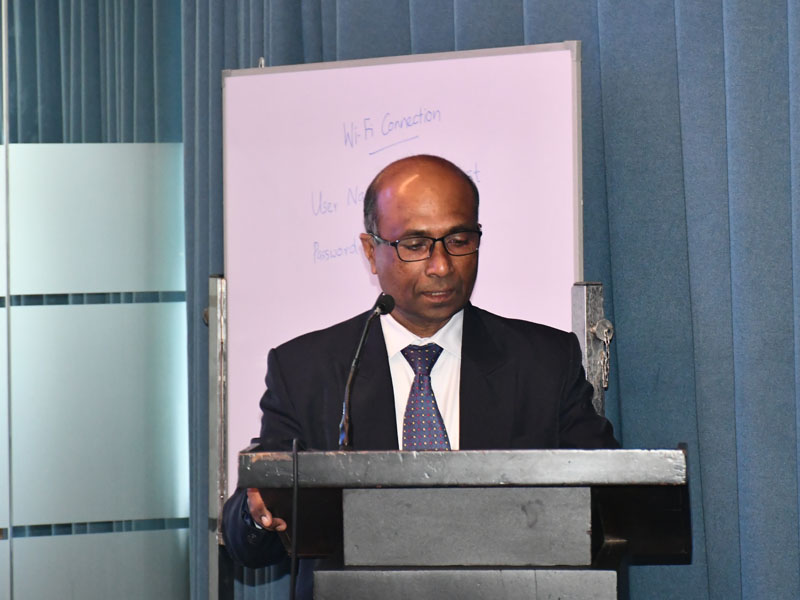
Mr. Prageeth Indika Kumara Kadadunna, Director, SLAERC, National INSSP POC
National stakeholders participation included:
Sri Lanka Atomic Energy Regulatory Council (SLAERC)
Sri Lanka Atomic Energy Board
Sri Lanka Police & Special Task Force
Sri Lanka Army
Sri Lanka Navy
Sri Lanka Air Force
State Intelligence Service
Ministry of Defence
Ministry of Foreign Affairs
Ministry of Justice
Ministry of Science & Technology
Ministry of Health
Sri Lanka Customs
Airport and Aviation Services (Sri Lanka) (Pvt) Ltd
Civil Aviation Authority of Sri Lanka
Sri Lanka Ports Authority
Sri Lanka Coast Guard
Attorney General's Department
During the meeting, participants discussed the current status of nuclear security in Sri Lanka, identified key gaps and challenges, and agreed on priority actions to further strengthen the national nuclear security framework. Accordingly, INSSP plan was developed for next four years to Sri Lanka to guide IAEA assistance to Sri Lanka in the area of nuclear security.
Key Outcomes and Way Forward
Strengthened national nuclear security regime aligned with international legal instruments.
Strengthened inter-agency coordination among regulatory, security, and operational bodies.
An updated, Sri Lanka-specific INSSP roadmap endorsed by all key government agencies.
Improved facility-level and transport-level physical protection capabilities.
Enhanced border detection systems and trained operational personnel.
Long-term sustainability through structured resource planning, training, and equipment maintenance.
A modernized legal and regulatory framework consistent with the amended CPPNM.
Outcomes will guide the implementation of the Sri Lanka INSSP 2026–2029, ensuring the safe, secure, and responsible use of radioactive sources, contributing to public safety, national security, and international confidence.
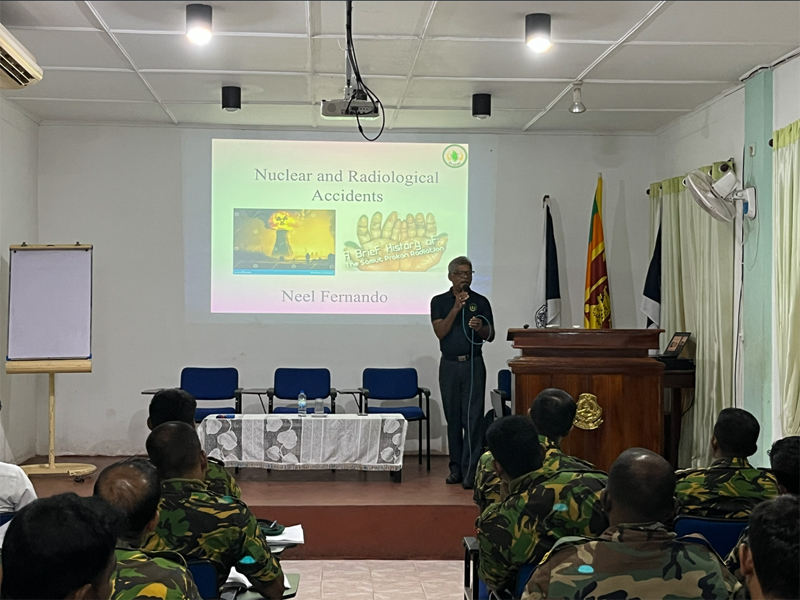
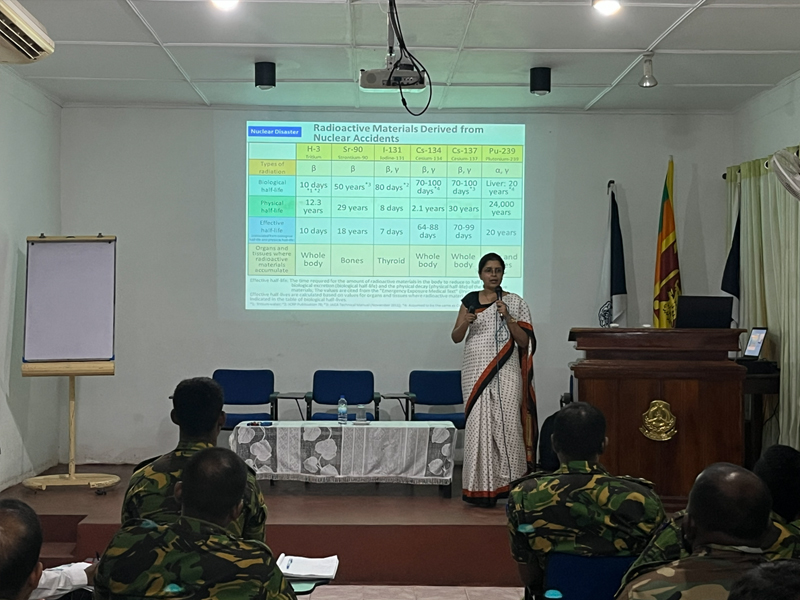
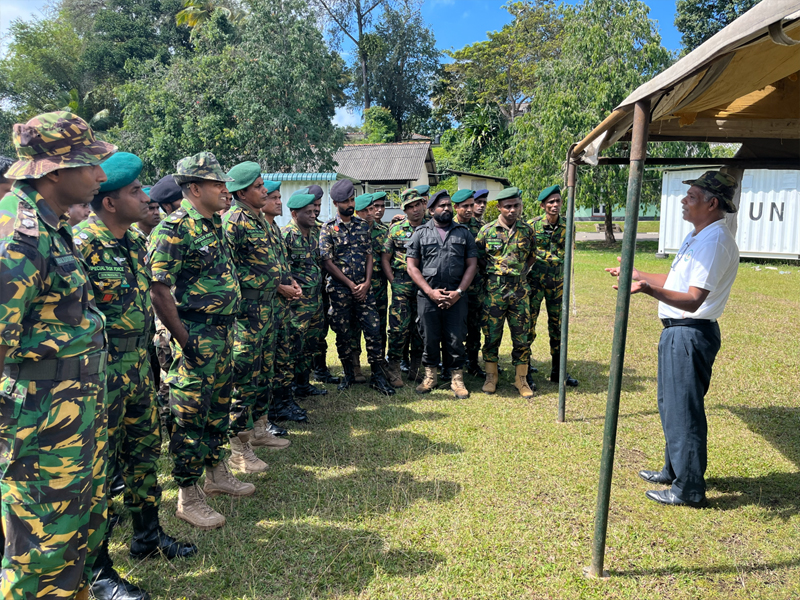
Workshop for STF First Responders on Radiological Emergency Preparedness and Response held at Sri Lanka Police (STF) Training School, Katukurunda on 18th and 19th December 2025.
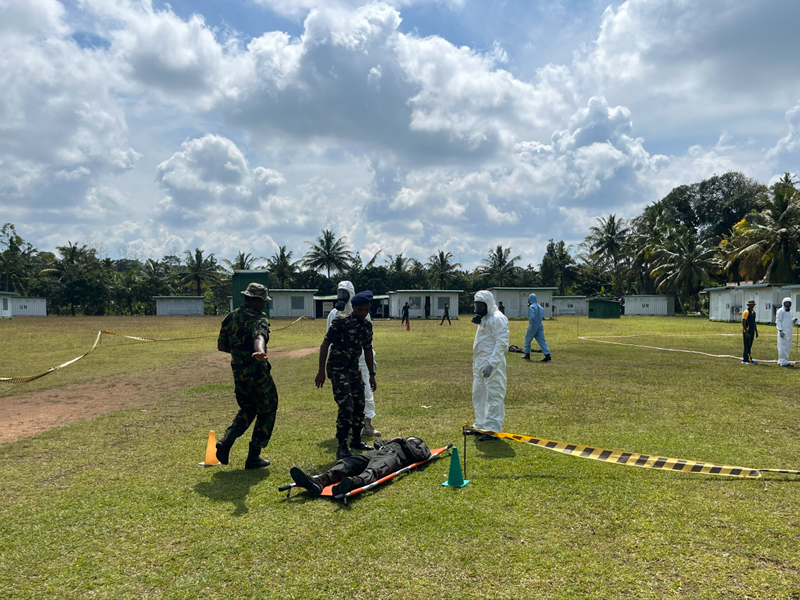
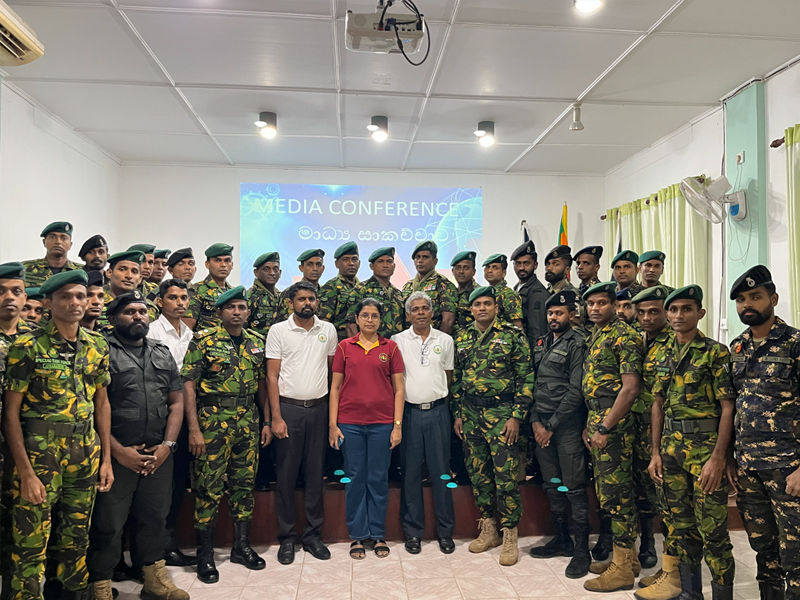
At the invitation of the CBRN (Chemical, Biological, Radiological and Nuclear) unit of the Sri Lanka Police (STF), the Sri Lanka Atomic Energy Regulatory Council conducted a workshop on nuclear and radiological emergency preparedness and response for officers of the CBRN unit of the STF and selected officers of the Sri Lanka Navy on 18th and 19th of December 2025. The workshop included lectures and field exercises on radiological incident response.
The workshop was conducted by Mr. K.N.R. Fernando (Deputy Director), Mrs. C.S. Herath (Deputy Director) and Mr. W.M.D.M. Piyarathna (Scientific Officer), who have extensive experience in emergency preparedness and response procedures and first responder duties. A demonstration on the use of radiation survey instruments was also conducted. Participants were highly interactive and actively engaged in discussions and exercises.
The field exercise was based on the “Simulation of source recovery in an emergency situation” and “Response to a radiological accident scenario”. All participants took part in scenario, while Council instructors provided guidance throughout. The session was highly successful, as it enabled participants to gain practical experience in real-time scenario.
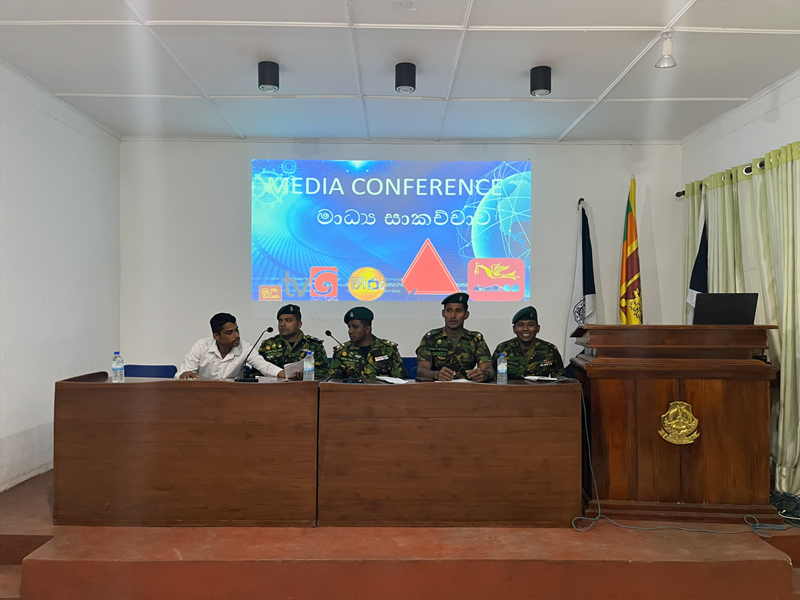
At the conclusion of the exercise, a media briefing was conducted, followed by a final discussion to review the outcomes of the training. The is one of the capacity building program conducted for emergency responders as the National Competent Authority for EPR.