No. 977/18, Kandy Road, Bulugaha Junction,
Kelaniya, Sri Lanka.

Tel: +9411 2987860
Fax: +9411 2984099

ORPAS Extended Follow-up Mission Sri Lanka – 2025


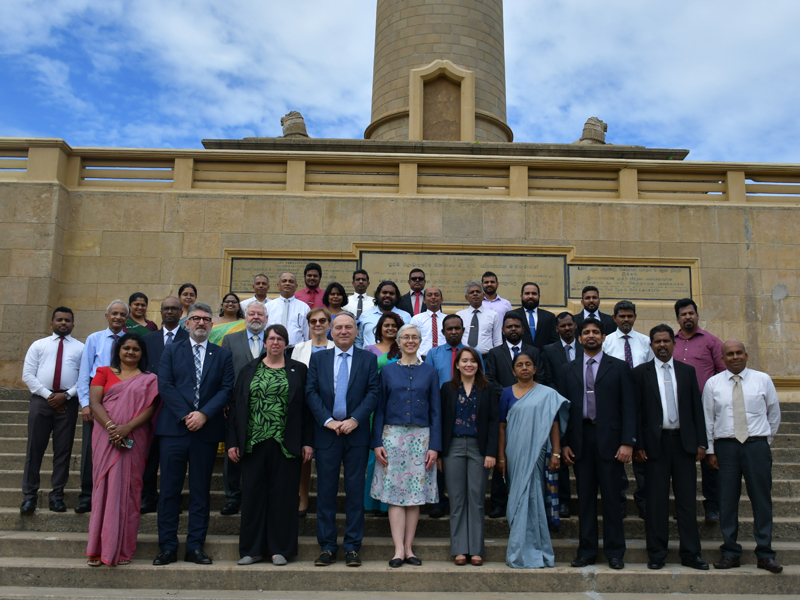
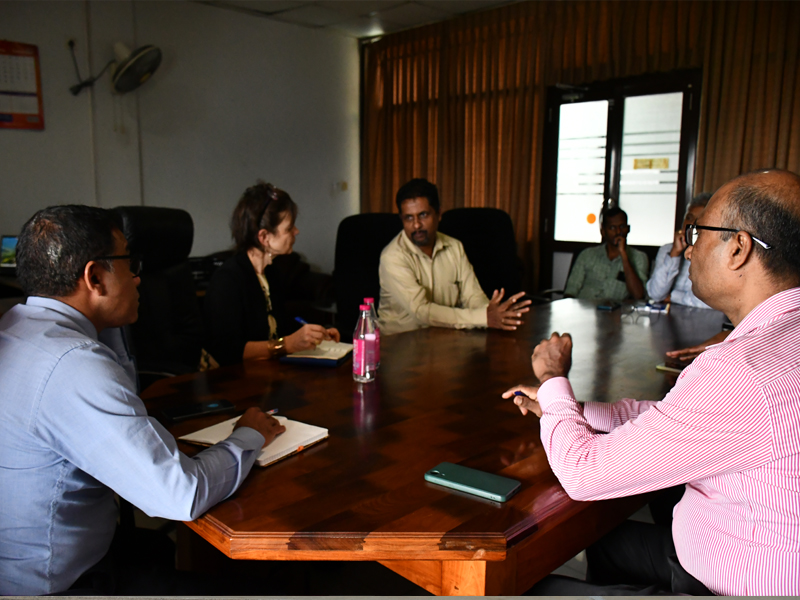
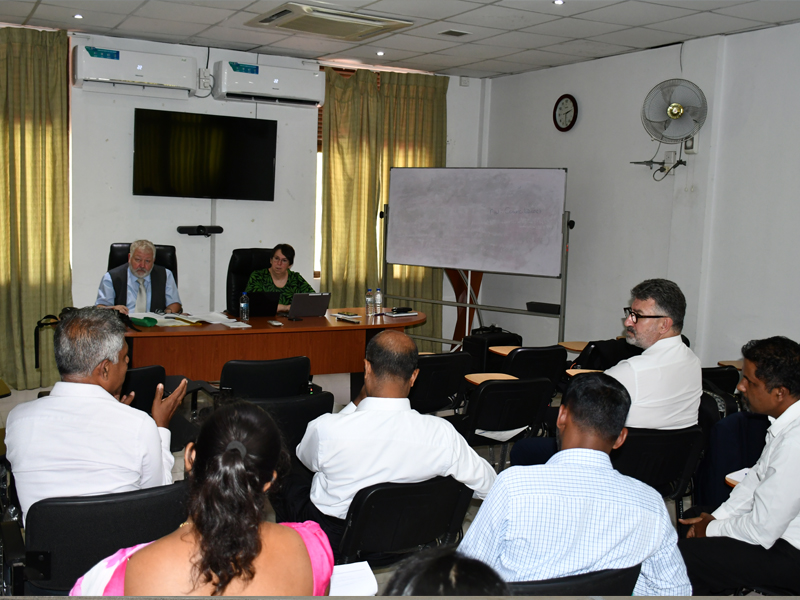
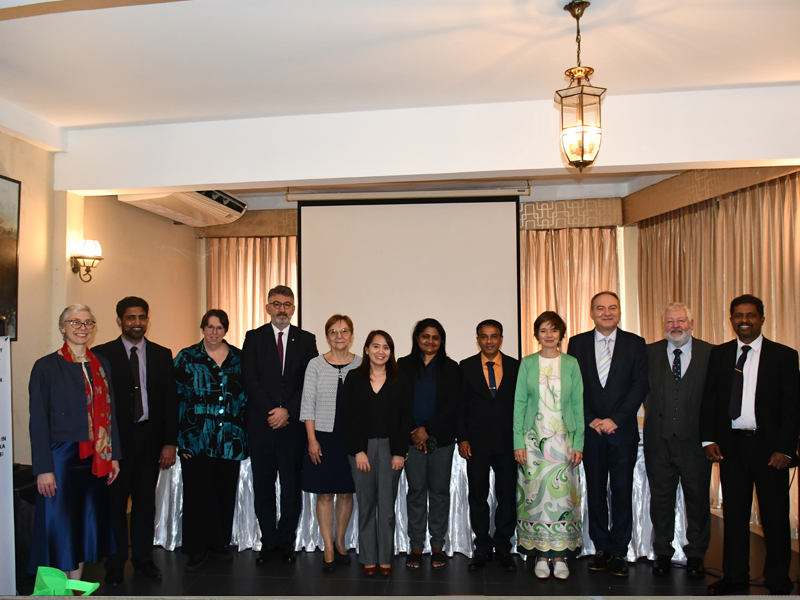
The Occupational Radiation Protection Appraisal Service (ORPAS) Extended Follow-up Mission to Sri Lanka was successfully conducted from 23rd to 28th November 2025, marking a significant milestone in strengthening the national framework for occupational radiation protection across medical, industrial, research and educational sectors, by assessing the effectiveness of regulatory and technical arrangements for protecting workers exposed to ionizing radiation through an international peer review process conducted by the International Atomic Energy Agency (IAEA) in line with international safety standards. This follow-up mission is a continuation of the original mission conducted in 2019 at the request of Sri Lanka.

Background


The initial ORPAS mission reviewed the national legal and regulatory framework, technical service provider arrangements and occupational radiation protection practices, identifying 37 recommendations, 46 suggestions and 2 good practices, which subsequently guided the implementation of wide-ranging corrective and improvement actions with the support of IAEA technical cooperation projects and strong collaboration among national stakeholders. Even though SLAERC was 4 years old, SLAERC agreed to conduct their assessment and provide several recommendations to develop such system.

ORPAS Follow-up Mission 2025


The ORPAS Extended Follow-up Mission 2025 was jointly organized by the Sri Lanka Atomic Energy Regulatory Council (Council) and the Sri Lanka Atomic Energy Board to evaluate the progress made since the 2019 mission.

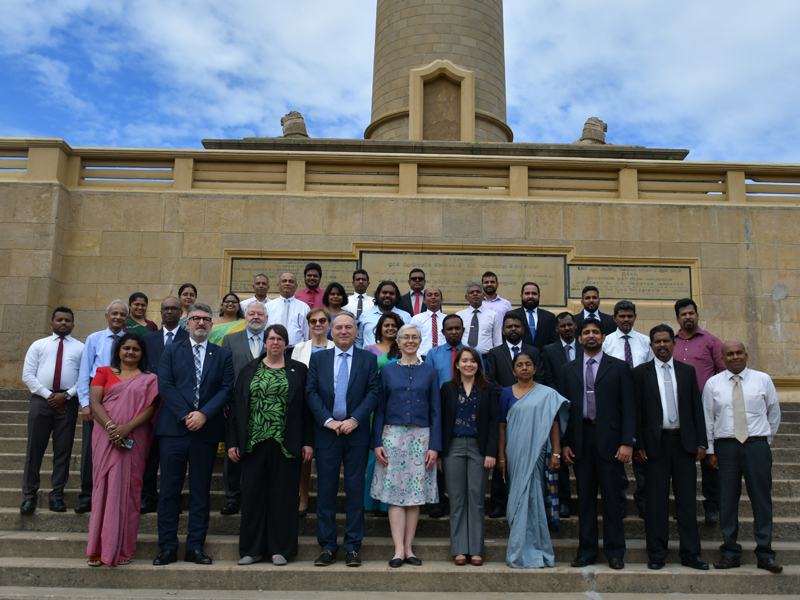
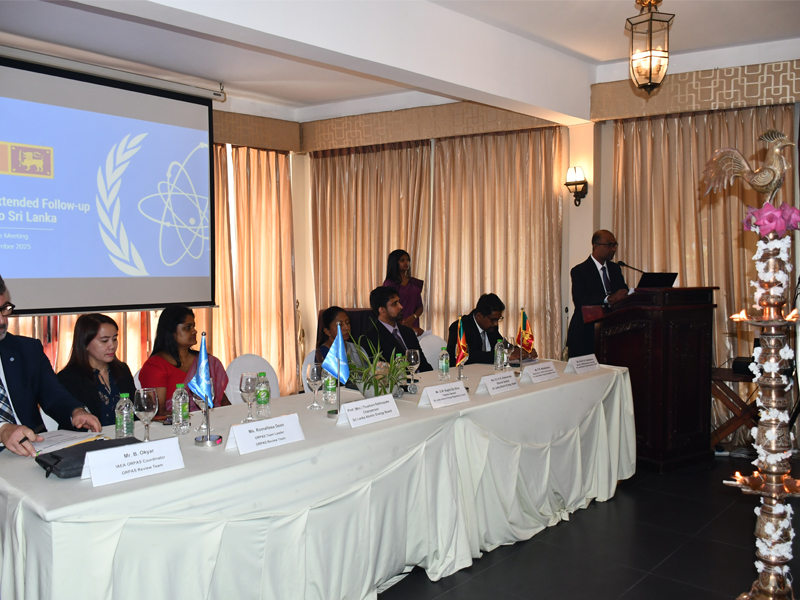
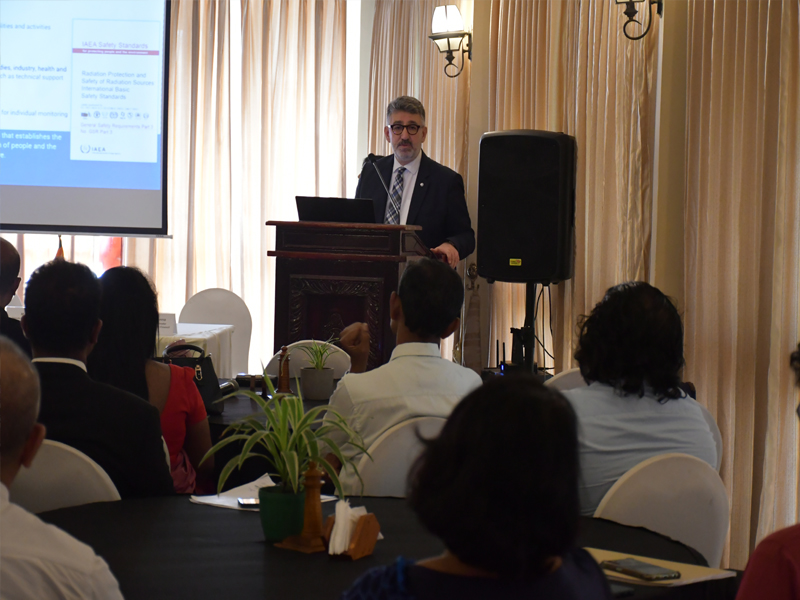
The programme commenced with an entrance meeting held at the Light house Galley, Colombo, attended by representatives from regulatory authority, technical service provider, medical institutions, industrial facilities and research organizations. During the mission, the ORPAS team reviewed national documentation, conducted detailed discussions with key counterparts, and carried out site visits to a wide range of facilities, including:

  • Sri Lanka Atomic Energy Regulatory Council
  • Sri Lanka Atomic Energy Board, including dosimetry and radiation protection service laboratories
  • Major medical institutions such as national and private hospitals
  • Industrial facilities utilizing radiation sources
  • Research and educational institutions

Key Outcomes


The ORPAS expert team recognized that a significant number of the recommendations and suggestions from the 2019 mission have been successfully addressed and implemented. The follow-up mission confirmed notable improvements in regulatory oversight, technical service provision, occupational monitoring, and radiation protection practices in user facilities. These advancements demonstrate Sri Lanka’s strong commitment to maintaining a high level of occupational radiation protection and ensuring the safety of workers in medical, industrial and research environments to meet international standards.

Way Forward


The Council, as the national regulatory authority, in collaboration with the SLAEB, the IAEA and national stakeholders, will use the outcomes of the ORPAS Follow-up Mission 2025 to guide future regulatory actions, capacity-building initiatives and policy improvements, reaffirming Sri Lanka’s commitment to protecting radiation workers and ensuring the safe and secure use of ionizing radiation technologies in line with international best practices.

Mr. K.K.P.I.K. Kadadunna, Director (SLAERC) and Mr. P.D. Mahakumara, Deputy Director (SLAEB) worked as national coordinators for the event..
National Training Course on Radiation Protection for Radiation Protection Officers (RPOs)/Operators Working in Diagnostic X-ray Facilities


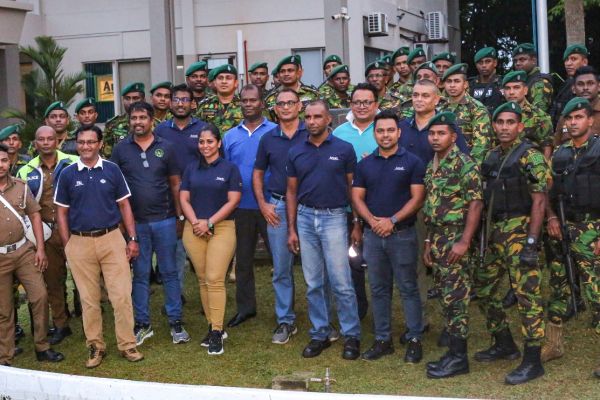
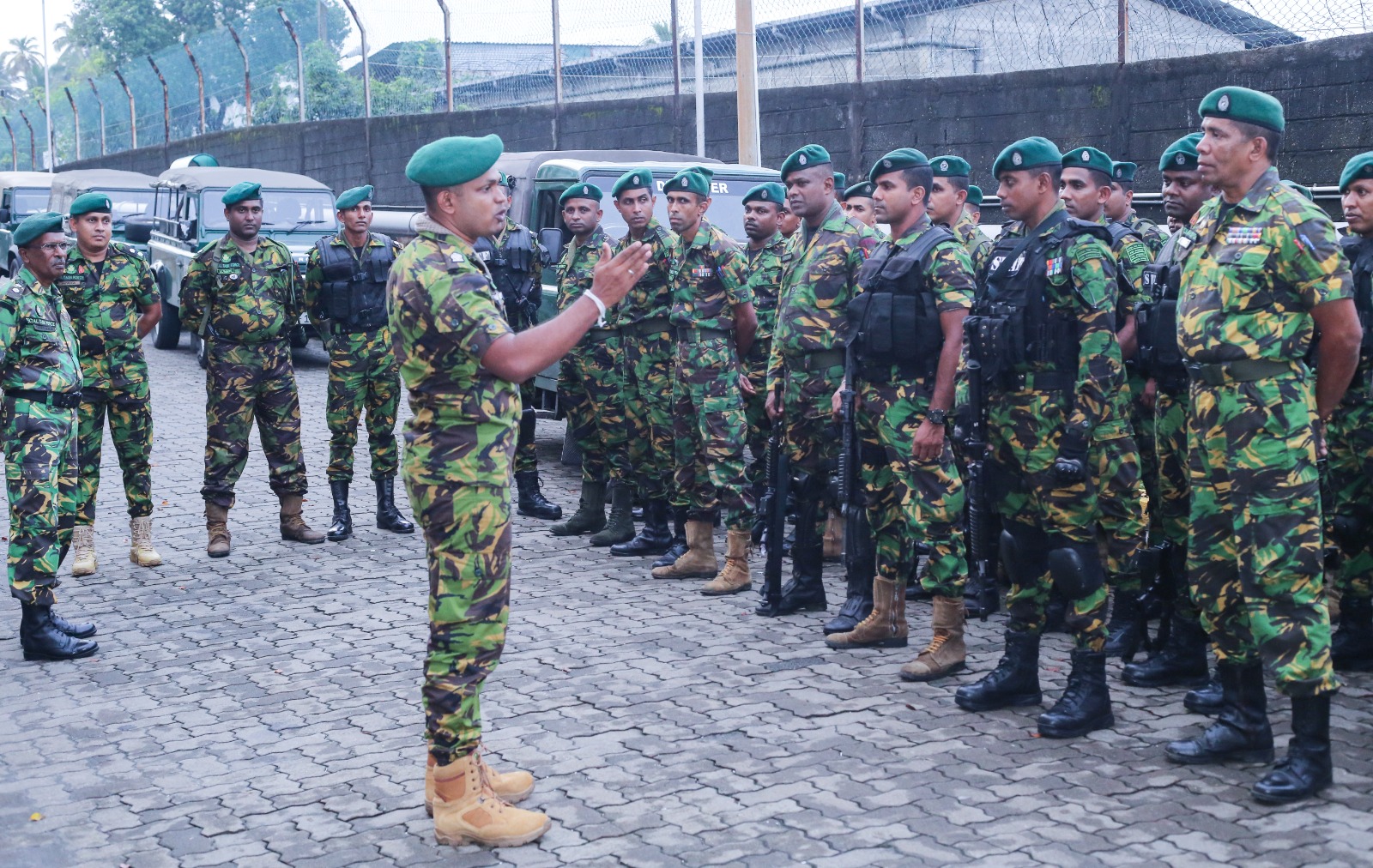
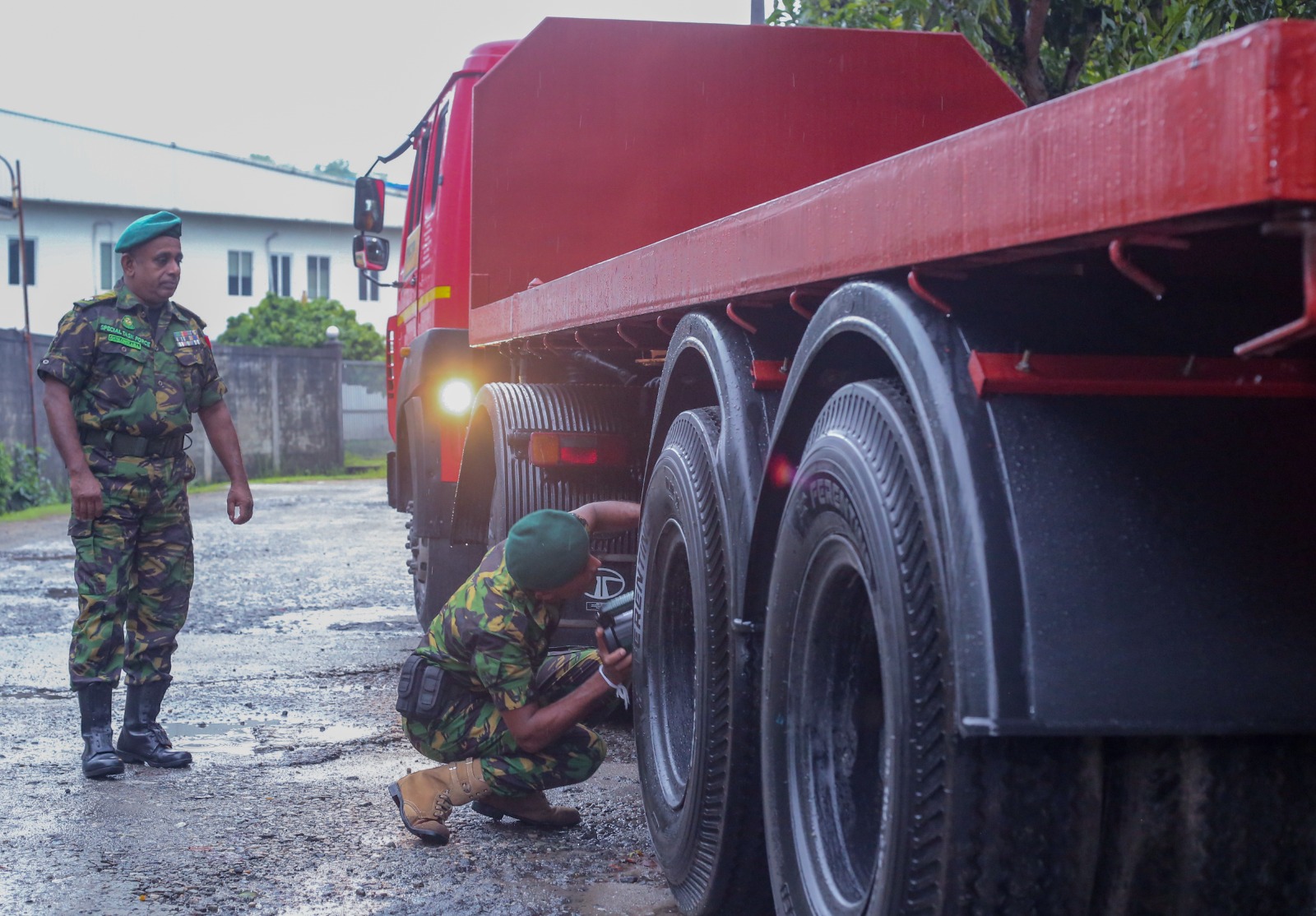
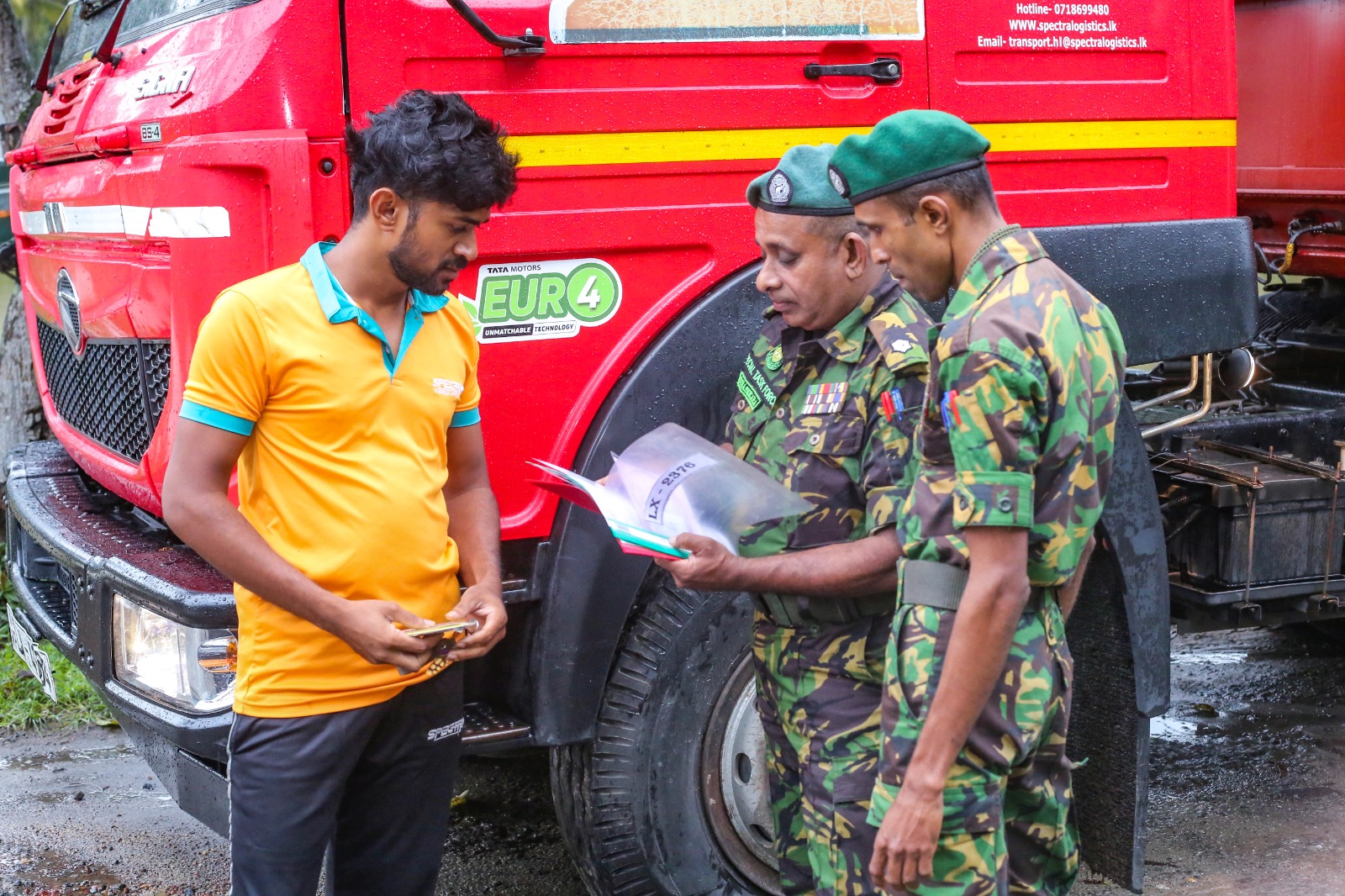
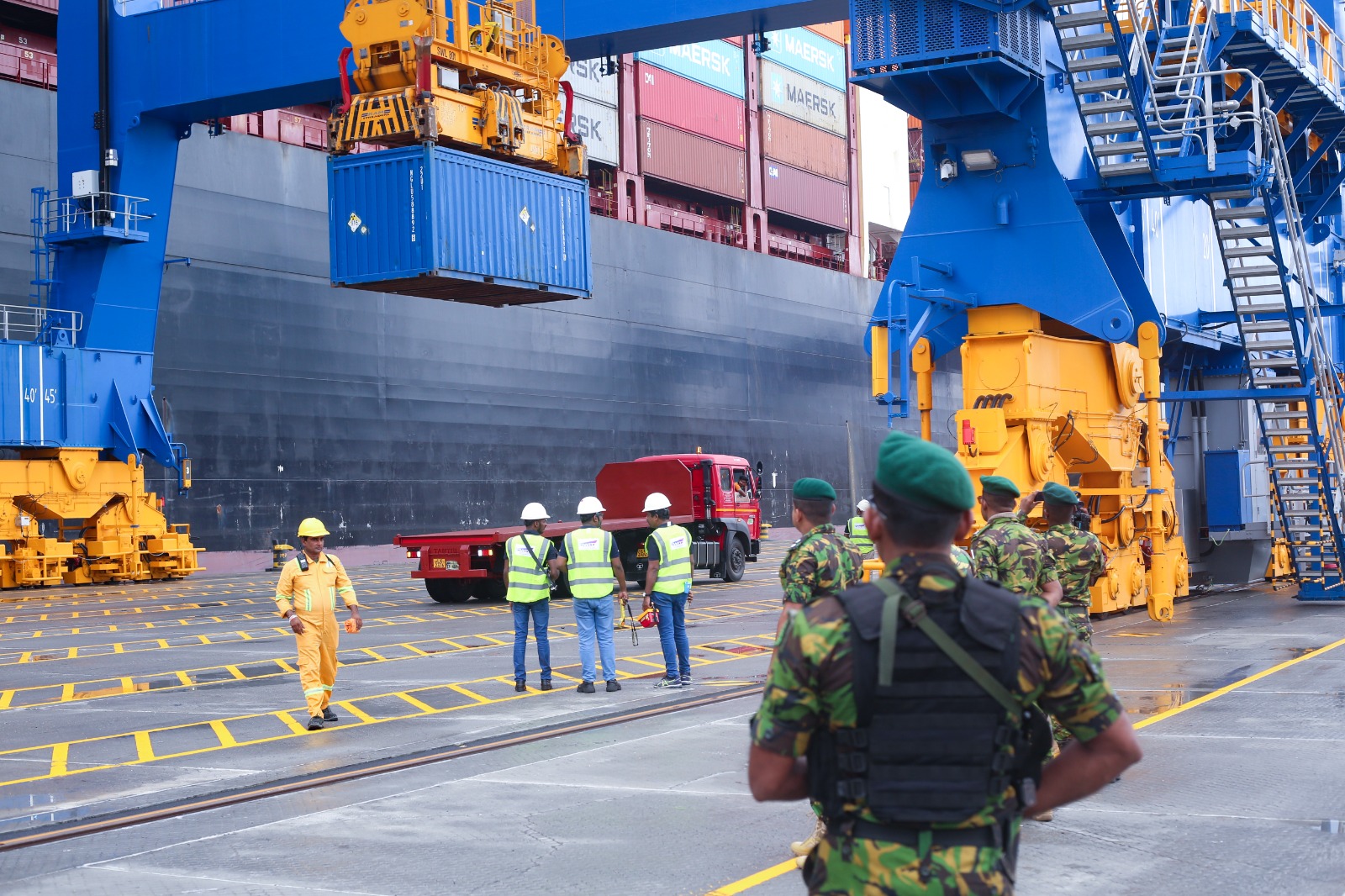
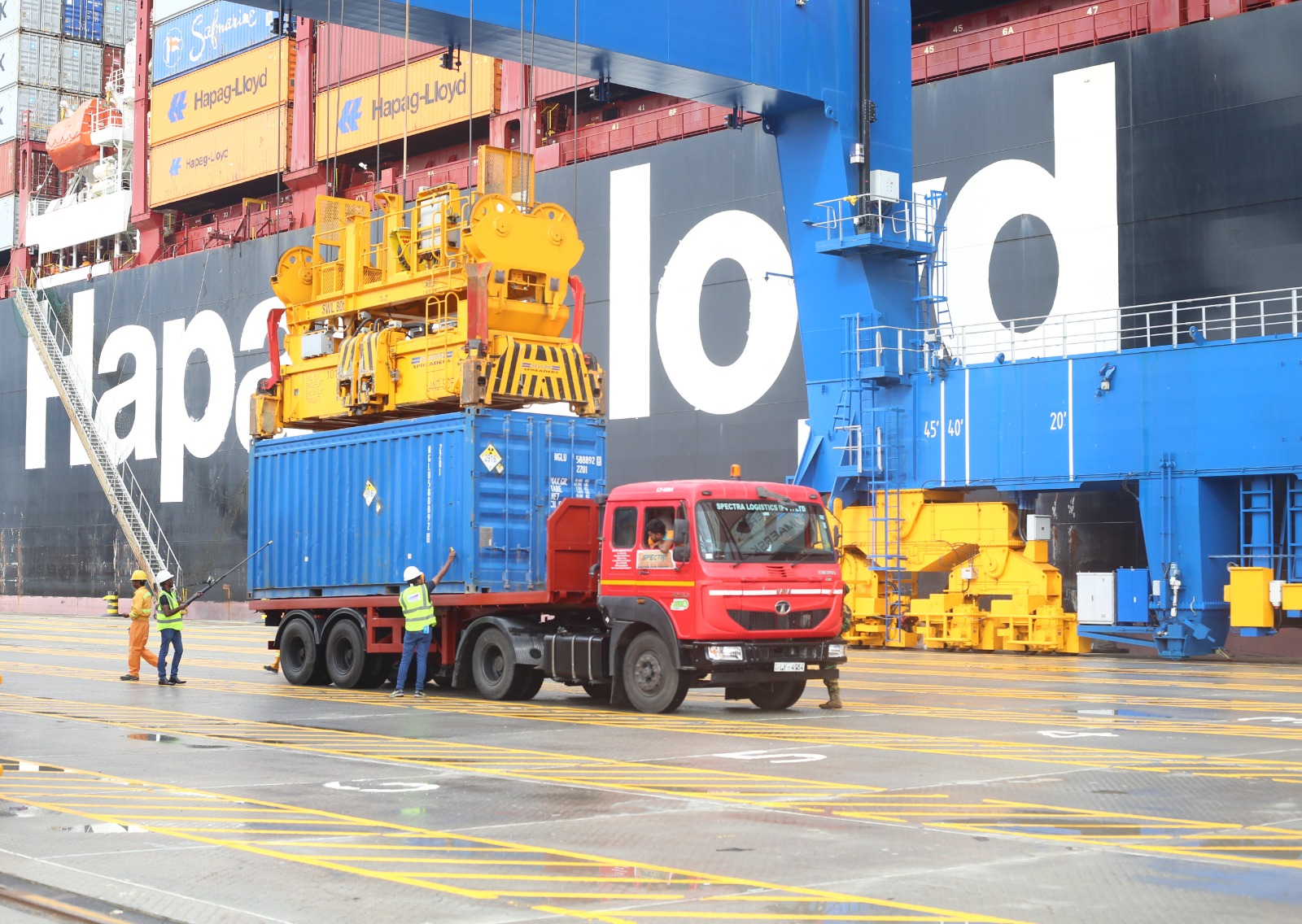
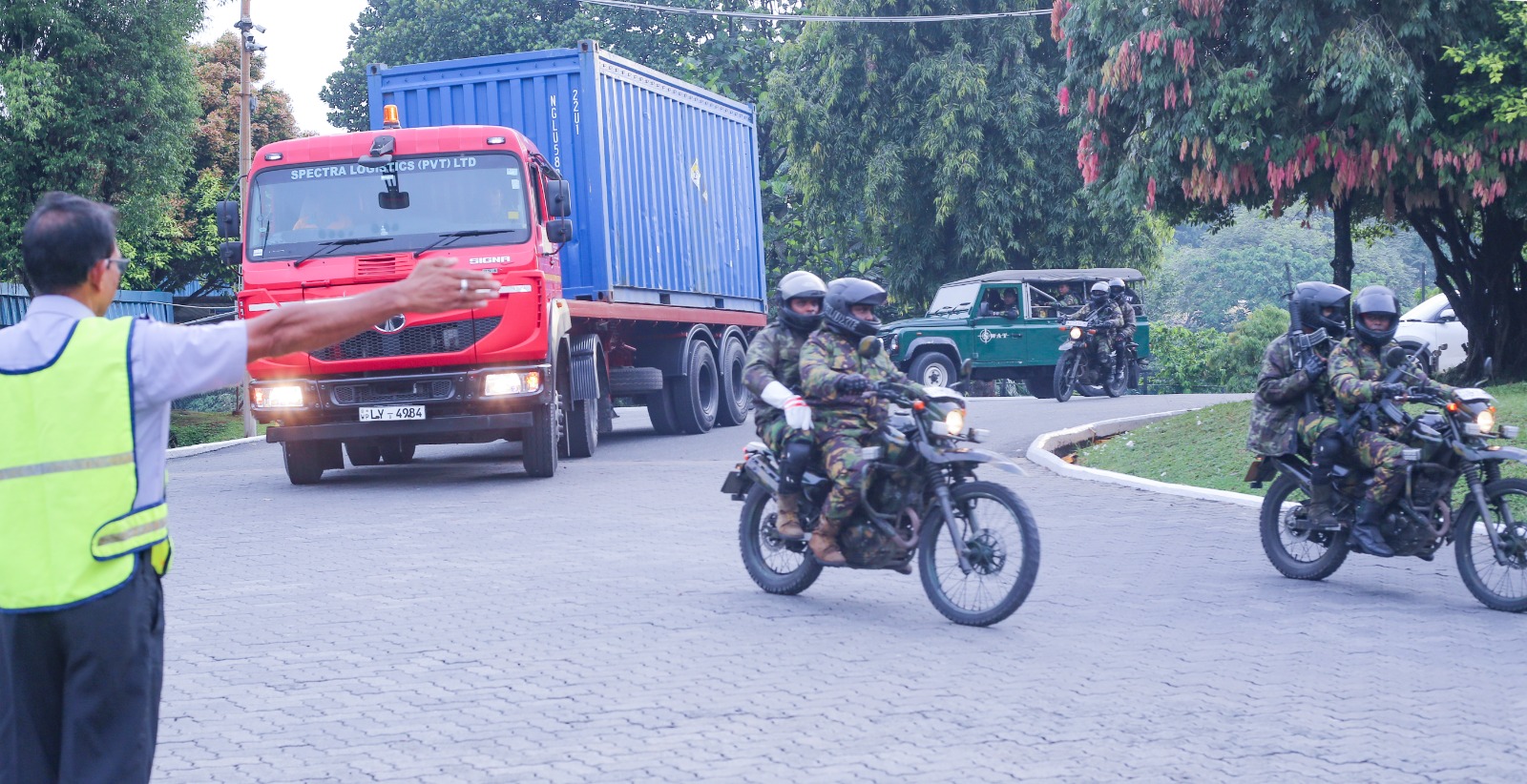
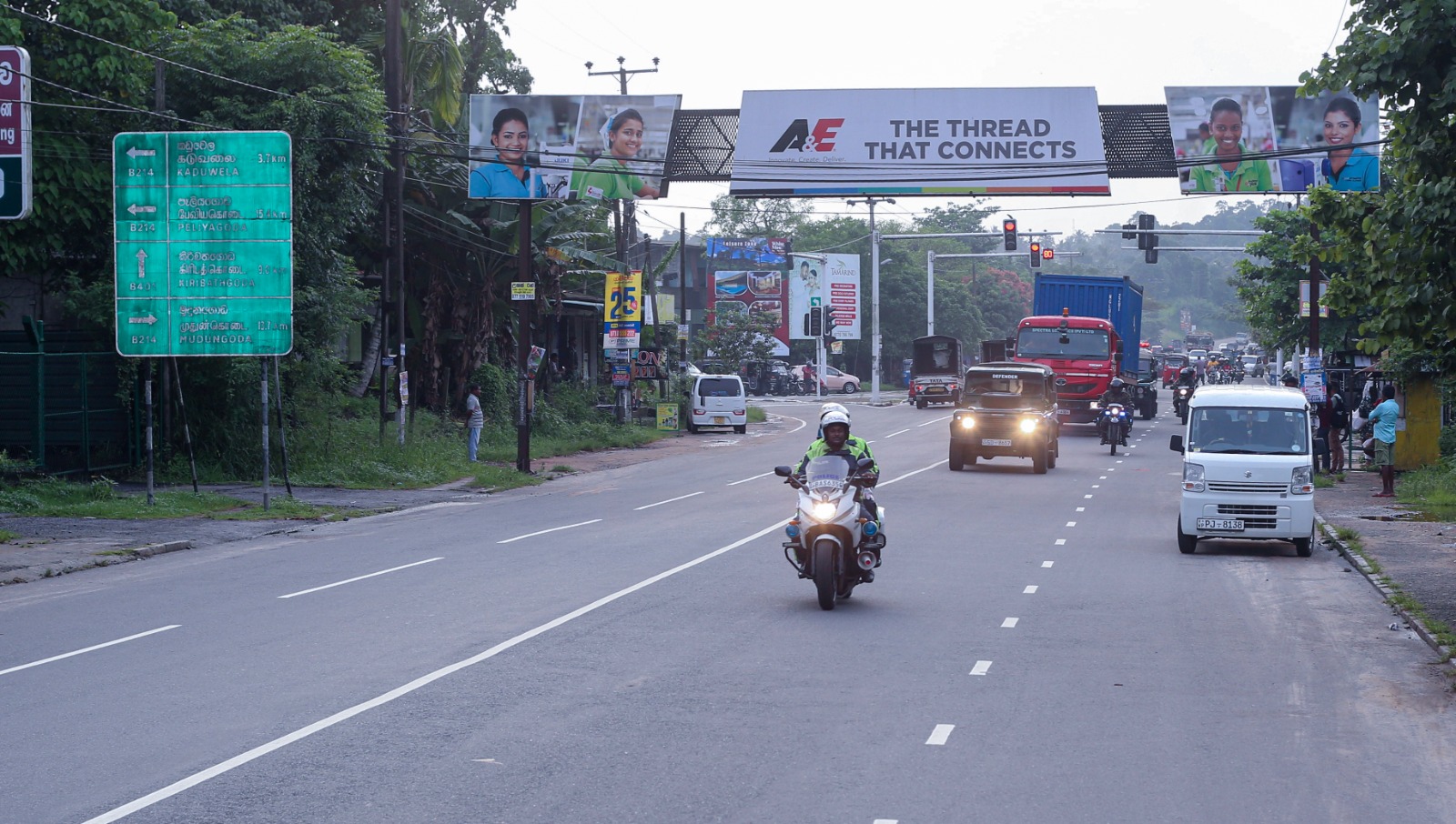
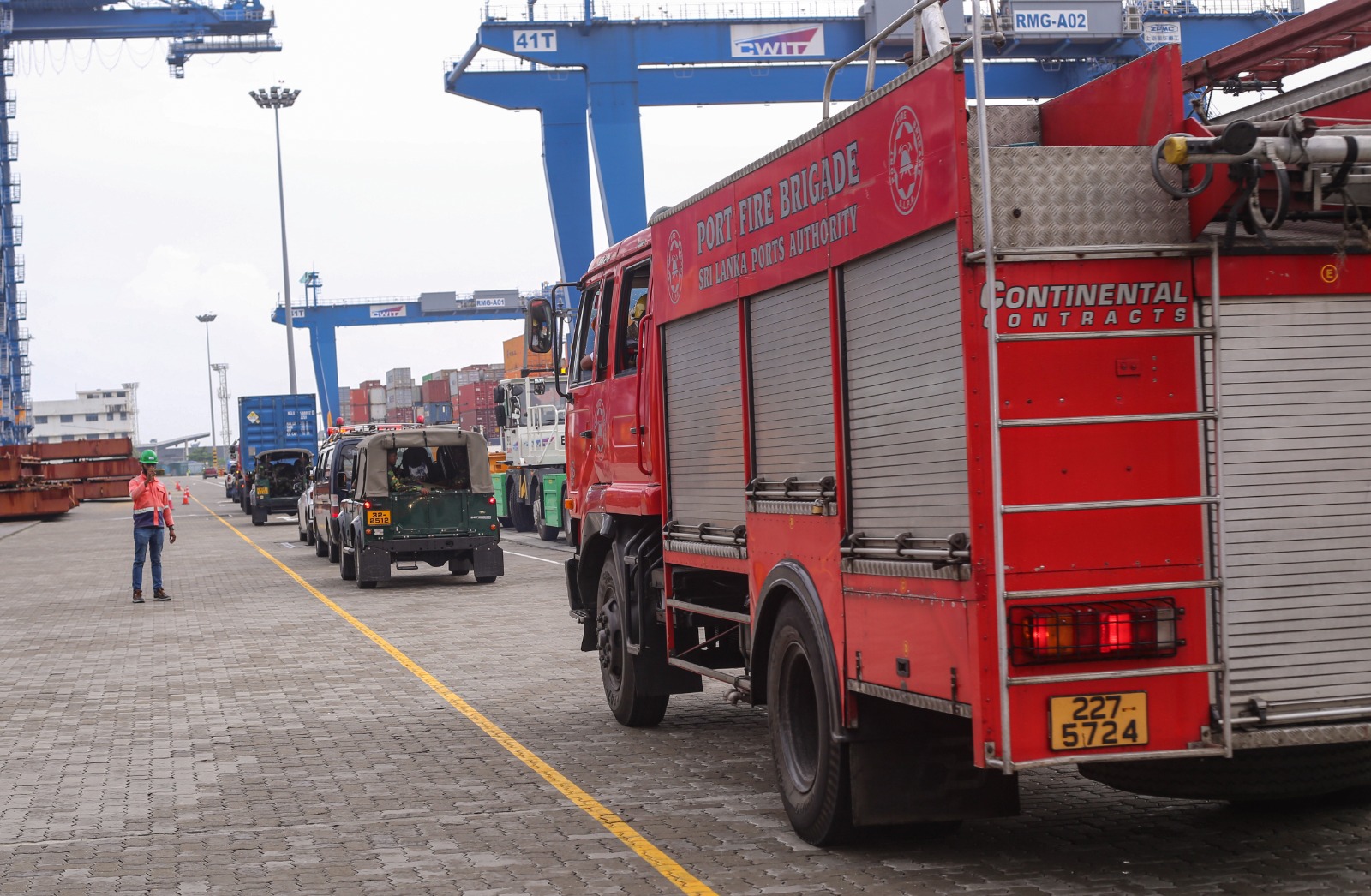
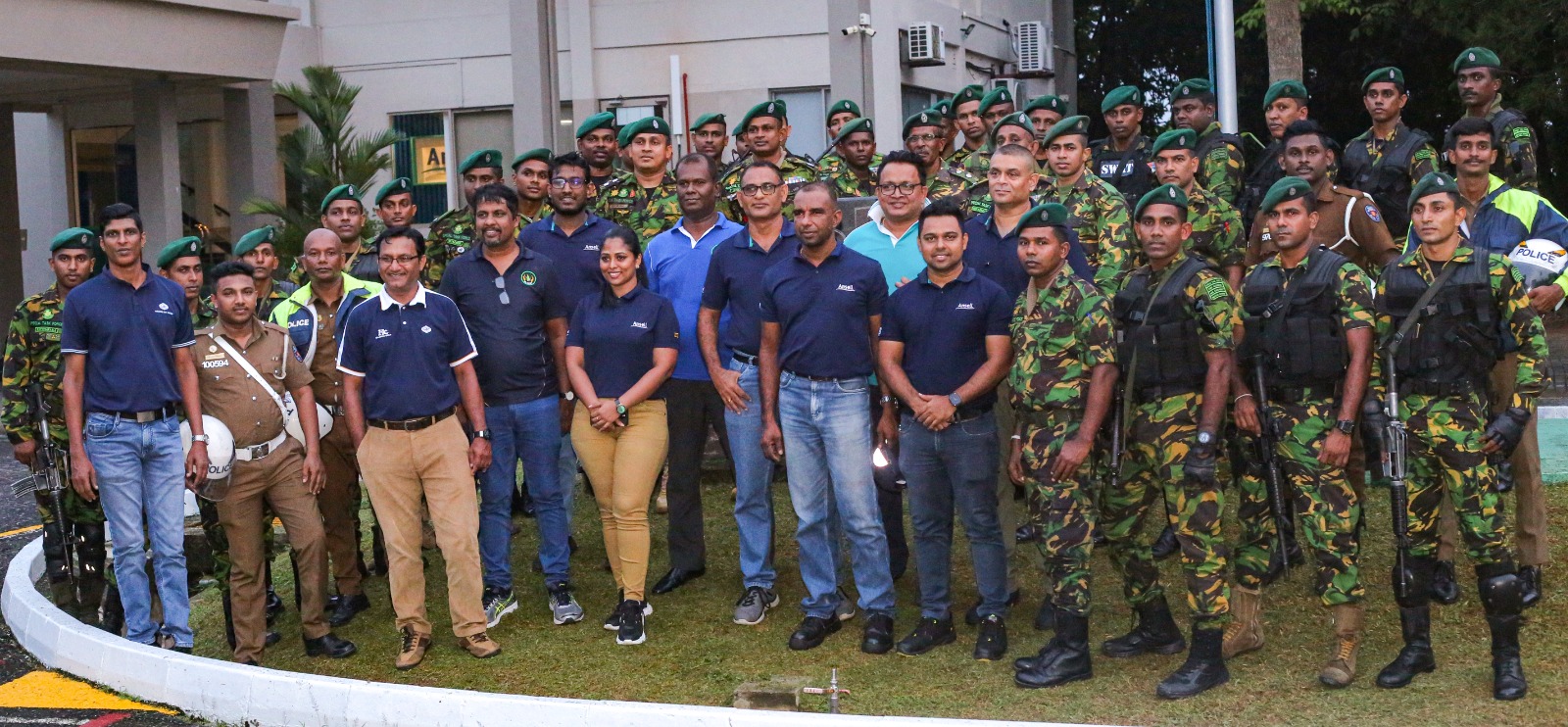
On 25 October 2025, officers from the Sri Lanka Atomic Energy Regulatory Council (SLAERC) conducted regulatory supervision of the transport of a high-activity Category I radioactive source from the Colombo Port to Ansell Lanka (Pvt) Ltd, located in Biyagama.

The transport operation was carried out under strict safety and security measures, in accordance with the regulatory requirements of the Sri Lanka Atomic Energy Act, No. 40 of 2014. The consignment was transported with the special security escort of the Special Task Force (STF) and Sri Lanka Police, ensuring full compliance with both safety and security protocols throughout the journey.

Purpose of the Supervision


The primary objective of SLAERC’s involvement was to supervise the transport process and to ensure that all safety and security provisions specified in the approved transport plan were properly implemented.

Regulatory officers monitored key aspects of the operation, including:

  • Proper packaging and labeling of the radioactive source in accordance with international standards.
  • Verification of transport documentation and licenses.
  • Radiation level measurements around the transport vehicle.
  • Adequacy of security arrangements and communication procedures.
  • Readiness to respond in the event of any abnormal condition or emergency situation during transit.

The inspection team remained alert throughout the operation to detect and address any deviations from approved procedures, ensuring that the consignment was handled and transported safely to its final destination.

Safety and Security Measures


Given the high-activity Category I nature of the radioactive source, the transport was classified as a security-sensitive operation. The route and timing were pre-approved by the SLAERC and coordinated with relevant national authorities, including the Sri Lanka Police, State Intelligence and the National Emergency Operations Centre.

All safety arrangements, such as vehicle shielding, radiation monitoring instruments, emergency communication systems, and trained personnel, were verified prior to departure. Continuous communication was maintained between the SLAERC officers and the transport team until the successful delivery of the consignment to Ansell Lanka (Pvt) Ltd.

Regulatory Oversight and Compliance


The SLAERC plays a critical role in ensuring the safe and secure transport, use, and storage of radioactive materials within the country. Regular inspections and supervision of such shipments are part of the Council’s mandate to guarantee compliance with national regulations and IAEA transport safety standards.

This particular supervision further demonstrated Sri Lanka’s strong regulatory framework and commitment to maintaining the highest levels of safety, security, and accountability in the management of radioactive materials.

The successful completion of the supervised transport of the high-activity Category I radioactive source marks another important step in ensuring radiation safety and security in Sri Lanka. The SLAERC acknowledges the cooperation of Ansell Lanka (Pvt) Ltd, the Sri Lanka Police, and the Special Task Force for their coordinated support in this critical operation.

Through such activities, the Council continues to uphold its mission of protecting people, property, and the environment from the potential risks associated with the use and transport of radioactive materials in the country.

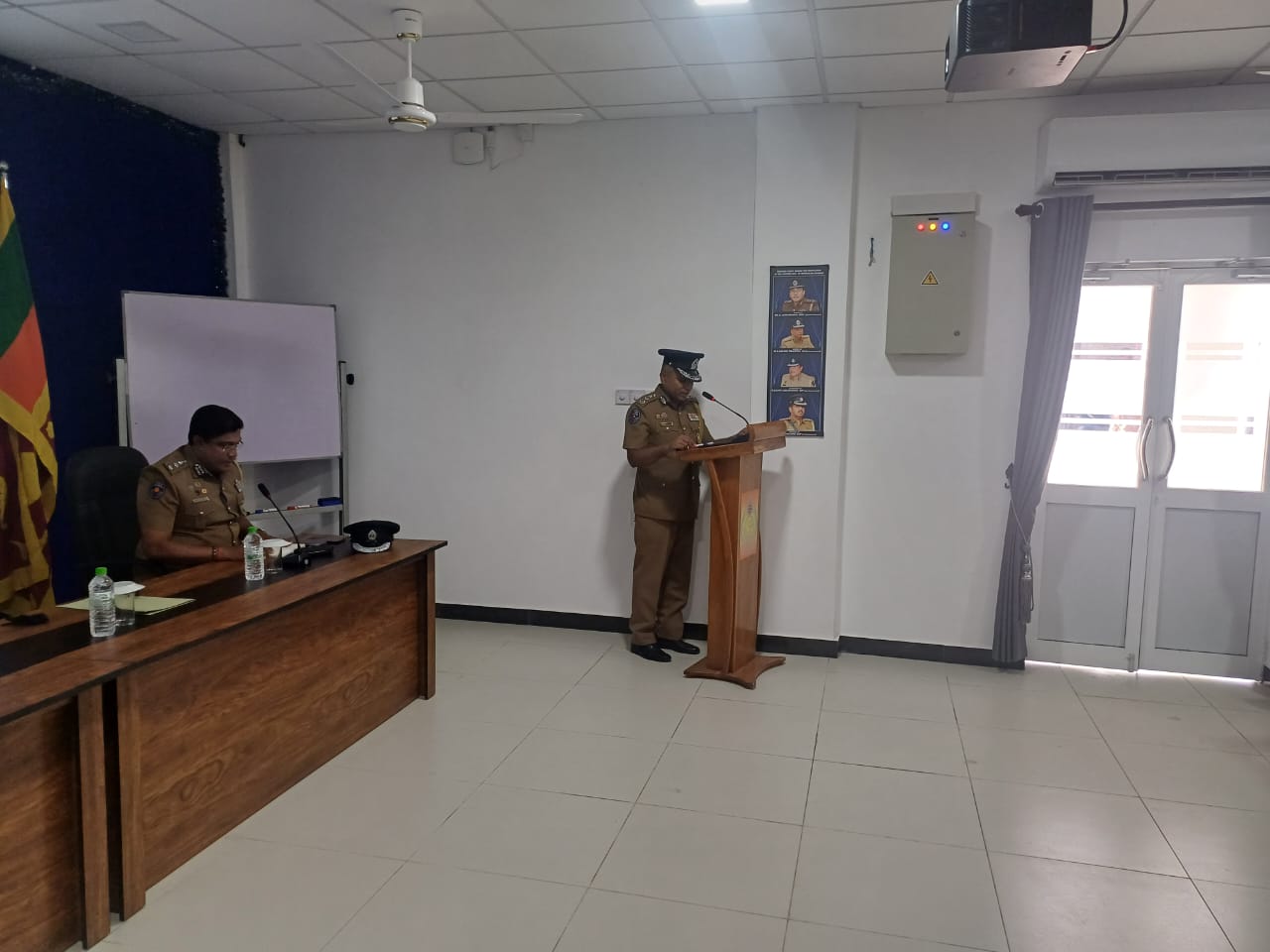
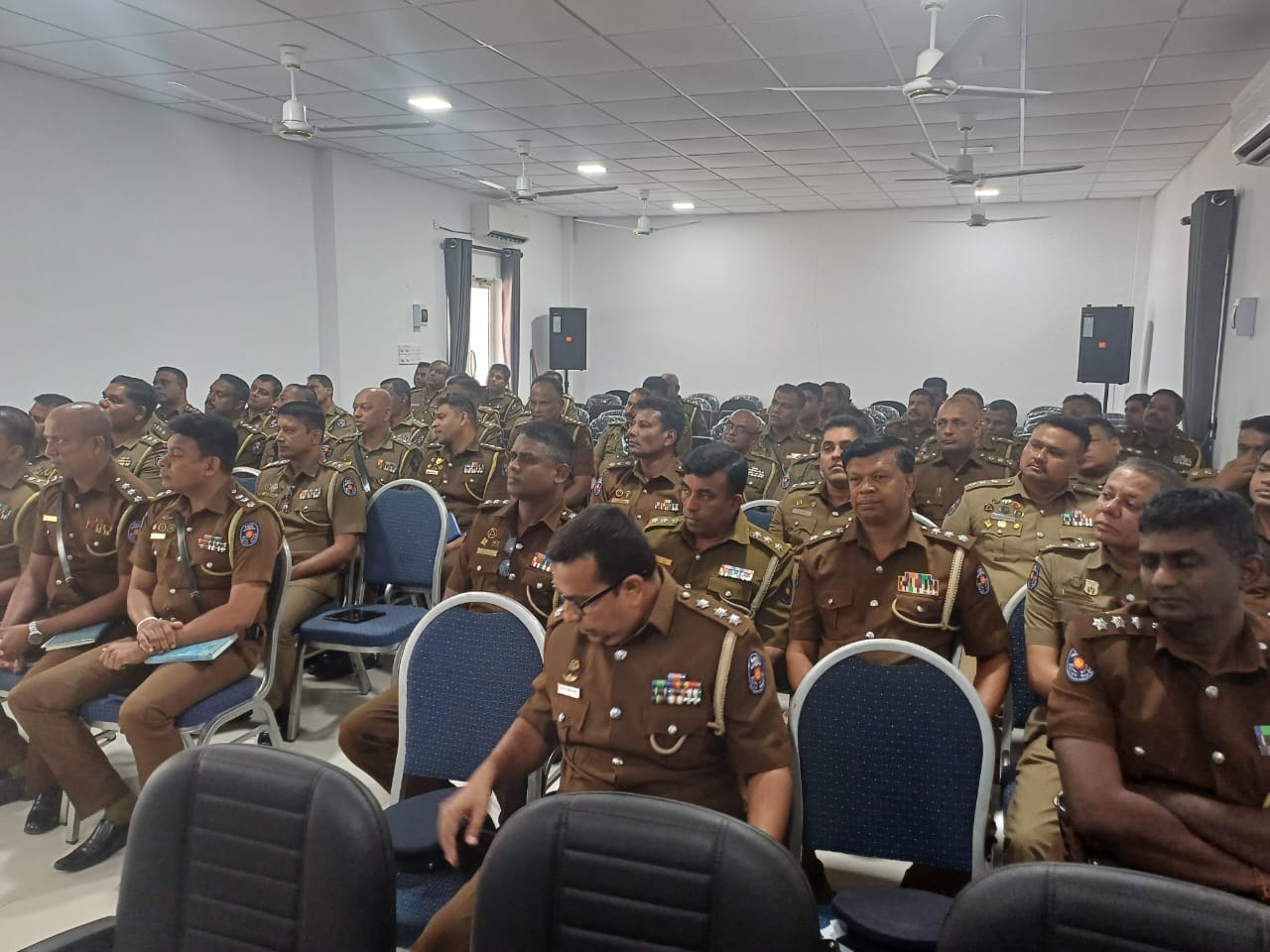
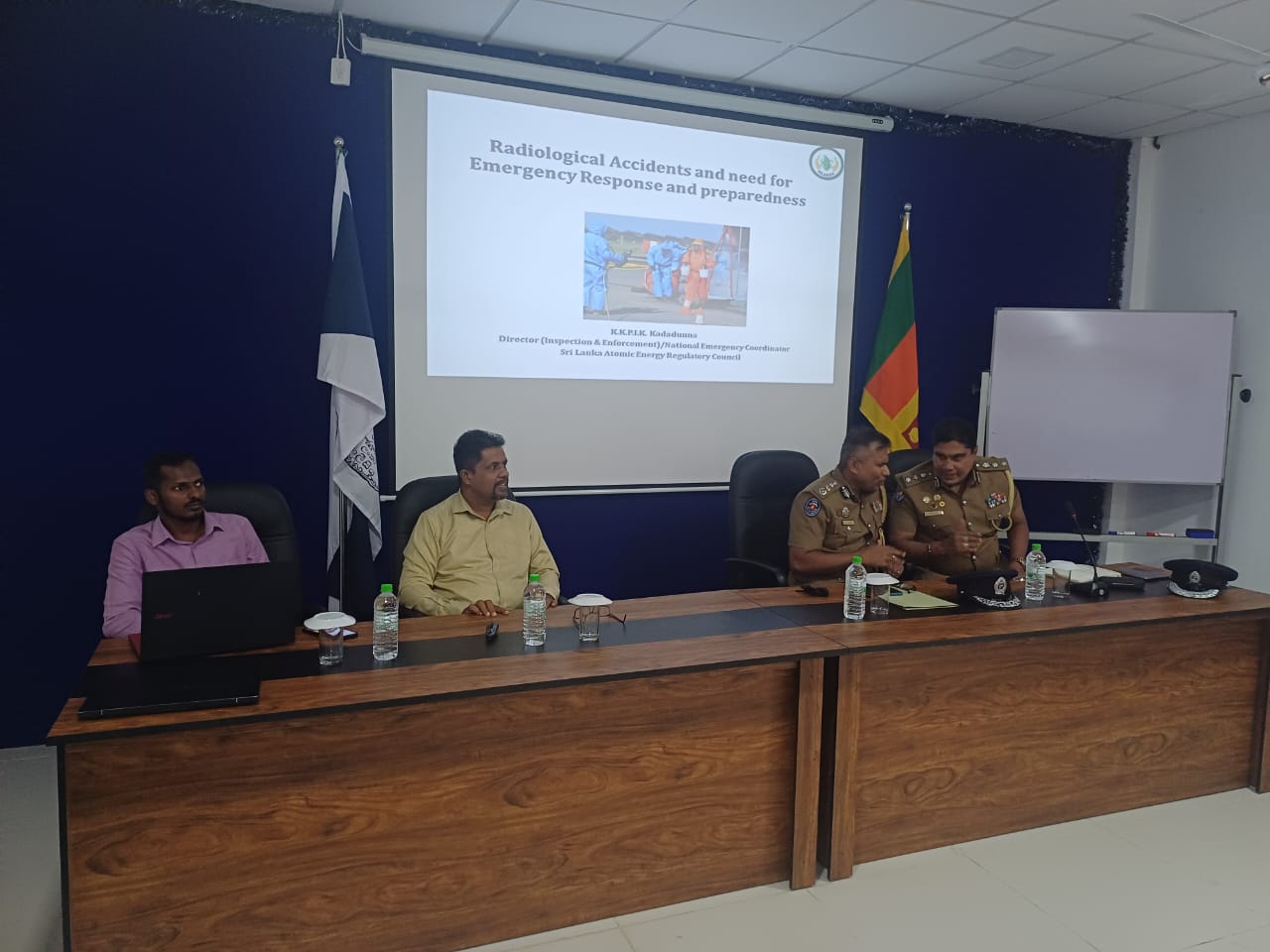
Workshop on Nuclear and Radiological Emergency Preparedness Conducted for Eastern Province Police Officers on 11.09.2025 at the Office of the Senior Deputy General of Police, Eastern Province


A special workshop was held for the chief officers of all police divisions in the Eastern Province, organized at the invitation of the Senior Deputy Inspector General of Police in charge of the province, Mr. Waruna Jayasundara. The program was conducted by the Sri Lanka Atomic Energy Regulatory Council (SLAERC) with the objective of enhancing the preparedness and response capabilities of the police in the event of nuclear or radiological emergencies.

During the workshop, the SLAERC provided comprehensive training on preventive measures to minimize the risk of nuclear or radiological accidents, the specific role of the police in handling such incidents, and the national emergency response plans and methods currently implemented in Sri Lanka. Participants were briefed on international standards and national guidelines, as well as practical steps that law enforcement officers are required to follow to ensure public safety and security during such emergencies. Speaking at the event, officials emphasized the critical role played by the Regulatory Council in safeguarding the country against nuclear and radiological hazards. In addition to licensing and regulatory oversight, the Council continues to apply advanced technical knowledge gained through international cooperation for the benefit of the nation. The Council reaffirmed its commitment to improving nuclear and radiological safety frameworks in Sri Lanka under the guidance of its current Chairman, Prof. H.M.J.C. Pitawala, and Director General, Mr. Kapila De Silva. Future plans include the preparation and implementation of updated laws and regulations to further enhance the country’s readiness to face nuclear or radiological emergencies.

This initiative marks an important step in strengthening cooperation between SLAERC and the Sri Lanka Police, ensuring that frontline officers in the Eastern Province are better equipped with knowledge and skills to respond effectively to potential radiological threats.